Stress and anxiety are experiences that almost everyone encounters. They affect not only the body, but also thoughts, relationships, and self-confidence. Understanding how they work is an important step toward coping more effectively and preserving inner balance.
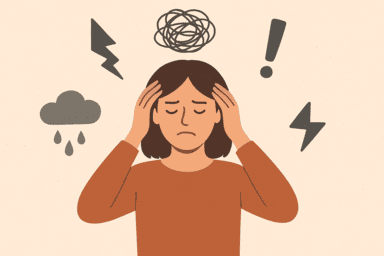
Stress develops as a response to pressure or threat. Anxiety often appears as an ongoing sense of uncertainty and worry. Together, they can undermine health, strain relationships, and weaken confidence.
Stress is a natural response that helps the body meet challenges. In moderate amounts, it can be useful because it mobilizes energy and attention. When tension becomes constant, however, the body and mind begin to wear down. Anxiety differs in that it may not be tied to one specific situation. A person can feel danger, tension, or worry even when there is no immediate threat.
Stress is often felt physically through a rapid heartbeat, sleep problems, fatigue, headaches, or muscle tension. Anxiety may appear as repetitive worried thoughts, difficulty concentrating, and a constant expectation that something will go wrong. These states can also affect behavior, leading to irritability, conflict, withdrawal, or avoidance.
The causes vary. For some people, the main factors are pressure at work or school. For others, family difficulties or past trauma play a larger role. Personality patterns also matter. Perfectionism and low self-esteem can increase vulnerability to prolonged tension. Biological factors, including nervous-system sensitivity and hormonal changes, may contribute as well.
Prolonged stress and anxiety can make decisions more difficult, interfere with trusting relationships, and contribute to psychosomatic symptoms. These are not only emotional experiences; they involve real changes in the body. Over time, persistent strain can contribute to burnout or depression.
The first step is to acknowledge your condition and allow yourself to receive care. Learn to notice physical warning signs and rest before exhaustion becomes severe. Breathing exercises, moderate physical activity, and simple self-regulation practices can help. Reducing information overload and keeping a consistent sleep schedule are also useful. A conversation with a trusted person or psychologist may reduce tension and help you understand your feelings more clearly.
If anxiety becomes a constant background state or stress prevents you from working, studying, or maintaining relationships, consider contacting a psychologist or psychotherapist. A specialist can help identify contributing factors, teach coping skills, and recommend further assessment when necessary.
Stress and anxiety are not signs of weakness. They are signals that the demands placed on you may be too great and that support is needed. A thoughtful attitude toward these experiences, learning new coping skills, and seeking professional help when appropriate can open the way toward greater stability and personal growth.