Stress is an almost invisible companion of modern life. It appears at work, at home, during travel, and even during moments intended for rest. The good news is that stress can be managed with simple, practical methods. This article describes seven approaches that can help restore balance and a sense of inner calm.
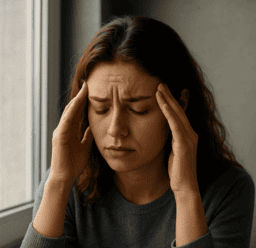
Stress is the body's physiological and psychological response to demands from the external or internal environment. During stress, the sympathetic nervous system becomes active: heart rate rises, cortisol and adrenaline increase, and muscles become tense. This response is useful for short-term mobilization. When stress becomes chronic, however, it begins to exhaust the body.
According to the World Health Organization, chronic stress is associated with a higher risk of cardiovascular disease, diabetes, anxiety, and depression. It can also impair sleep, memory, and concentration.
People experience stress differently, but common symptoms include:
Stress has many possible causes. Common examples include:
1. Breathing practices. A simple 4-7-8 exercise may help slow the heart rate and reduce arousal. Inhale for a count of 4, hold for 7, and exhale for 8. Research indexed by PubMed includes evidence that controlled breathing can support stress regulation.
2. Physical activity. Movement is a natural counterbalance to stress. The American Psychological Association notes that regular exercise can reduce symptoms of anxiety and depression. Even a brisk 20-minute walk may improve mood.
3. Meditation and mindfulness. Mindfulness practices help redirect attention from repetitive worried thoughts to the present moment. Research reviews indicate that regular practice can improve emotional resilience and reduce burnout risk.
4. Planning. Writing tasks down reduces cognitive overload. Separate what is important from what is urgent, and postpone low-priority tasks when necessary. This can restore a sense of control and reduce chaos.
5. Social support. Contact with trusted people can lower perceived stress. The Mayo Clinic identifies social support as an important factor in resilience.
6. Healthy sleep. Restorative sleep supports hormonal and emotional regulation. Try to go to bed and wake up at consistent times, and reduce screen use before sleep.
7. Small enjoyable activities. Make room for hobbies, music, reading, or other sources of pleasure. These activities can restore a sense of choice and enjoyment in everyday life.
If stress is accompanied by persistent anxiety, insomnia, panic attacks, or a major decline in quality of life, consider contacting a psychologist or psychotherapist. Timely support can help prevent symptoms from becoming more severe.
Try one or two small steps:
No. Stress is part of life, but it can be managed so that it does not continually damage health and wellbeing.
A balanced diet supports overall health and stress resilience. Nutritional supplements should not replace medical advice or treatment when symptoms are significant.
With regular practice, some people notice improvements in sleep, concentration, and mood within several weeks. The pace of change varies from person to person.