Self-sabotage is behavior that interferes with a goal you consciously want. It is rarely a wish to fail. More often it protects against exposure, uncertainty, responsibility, disappointment, or a change in identity. Understanding the protective function makes change more effective than self-attack.
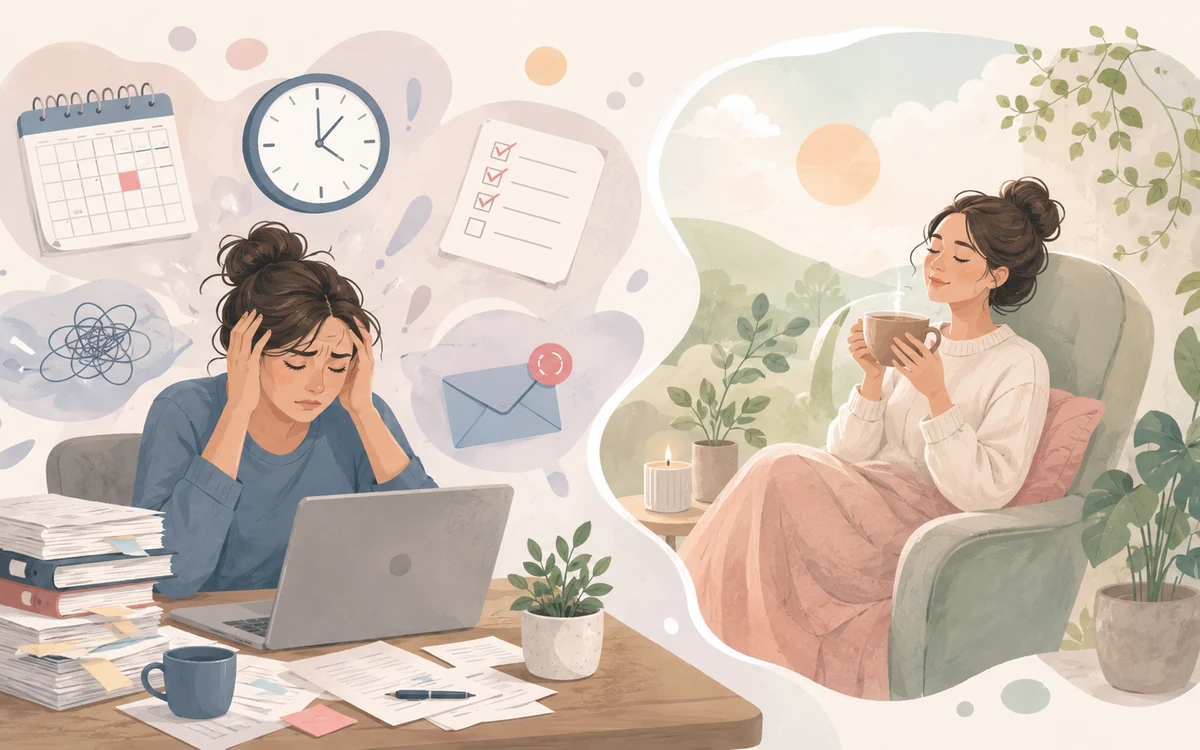
A last-minute attempt protects the belief that failure came from time, not ability.
Unrealistic plans guarantee discouragement and allow the person to abandon the process.
Improvement creates new expectations and visibility, which may feel threatening.
Repeatedly pursuing relationships that cannot become secure protects against true vulnerability.
An argument restores familiar distance when connection feels risky.
Extreme independence prevents disappointment but also removes resources needed for success.
Achievements are attributed to luck, so the old negative identity remains unchanged.
Ask, “What uncomfortable experience does this behavior help me avoid?” Possible answers include judgment, envy, responsibility, loss of belonging, or discovering that a goal is not truly yours. The answer guides the intervention.
Success can challenge family roles or beliefs such as “people like me do not do this.” Change may include grief, guilt, and renegotiating relationships. These emotions do not mean the new direction is wrong.
Professional support is useful when patterns repeat across work and relationships, or when trauma, addiction, depression, or severe anxiety is involved. Therapy can address the fear beneath the behavior and create safer alternatives.
Because another part of the situation—uncertainty, visibility, responsibility, or possible loss—may feel threatening.
Usually not. Discipline improves when emotional and practical obstacles are understood.
Identify one repeated behavior and the short-term relief it provides. Change that specific loop.
Choose one skill rather than attempting a complete personality transformation. Define the situation in which it should be used, the smallest observable behavior, and how you will review the outcome. Practice in a low-stakes setting, then increase difficulty gradually. Skills become available under stress only after they have been repeated when stress is moderate.
After each attempt, record what happened without using global labels such as “good” or “bad.” Identify what was effective, what interfered, and one adjustment for the next attempt. This turns experience into learning and prevents a single awkward result from becoming a verdict on ability.
Sustainable improvement usually looks ordinary: clearer decisions, earlier pauses, smaller recovery time, and more behavior aligned with values. Keep the method simple enough to use repeatedly.
Psychological articles can help you recognize a pattern and prepare useful questions, but they cannot determine a diagnosis from text alone. Similar symptoms may arise from different psychological, social, neurological, hormonal, sleep-related, or medical causes. Pay attention to duration, intensity, changes from your usual functioning, and the degree to which work, relationships, self-care, or safety are affected.
Choose one or two ideas that fit your situation and test them gradually. Keep notes about what changes rather than expecting immediate certainty. If a method increases distress, stop and seek individualized guidance. Do not change prescribed medication, ignore new physical symptoms, or use self-help as a substitute for urgent care. Thoughts of suicide or self-harm, violence, severe confusion, inability to care for basic needs, or rapidly worsening symptoms require immediate local professional or emergency support.
This article is educational and does not replace individual assessment, diagnosis, or treatment by a qualified professional.