Passive aggression is a form of hidden resistance and anger. Instead of direct conflict, it appears through hints, forgetfulness, sarcasm, delay, or sabotage. This article explains where the pattern comes from, how to recognize it, and what can help prevent it from damaging relationships and everyday life.
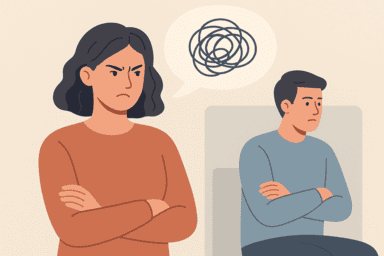
Passive aggression is a pattern in which a person feels angry or irritated but does not express those feelings directly. Instead of having an open conversation, the person acts indirectly: using sarcasm, postponing commitments, completing tasks deliberately slowly, or forgetting important matters. The behavior may look peaceful from the outside, while tension continues to build underneath.
Common signs include:
Passive aggression often develops where expressing dissatisfaction directly feels frightening, unsafe, or unacceptable. It may be associated with:
Passive aggression may appear harmless at first, but over time it damages trust. Resentment accumulates in close relationships, while at work the person may gain a reputation for being unreliable. The more anger is hidden, the more tension grows, and eventually it may erupt in an open argument.
Several practical steps:
If passive aggression has become your usual communication style and interferes with relationships or work, consider speaking with a psychologist. A specialist can help you understand the source of hidden anger and learn to express it honestly and safely.
Passive aggression is not a life sentence. It can be a signal that your boundaries have been crossed or that you are struggling. When this signal is recognized and translated into honest words, it becomes possible to protect relationships, reduce tension, and regain a sense of inner calm.