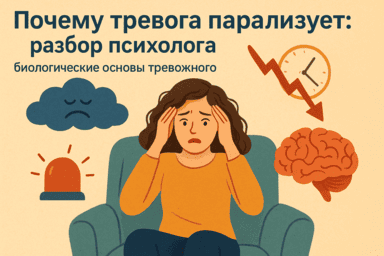
Anxiety can become so intense that a person feels unable to move, speak, or make decisions. This article explores the biological, psychological, and social mechanisms behind paralyzing anxiety, describes practical examples, and offers evidence-informed self-help techniques.
Anxiety activates the sympathetic nervous system and prepares the body for a fight-or-flight response. In some situations, the nervous system shifts into a freeze response, creating a feeling of numbness or an inability to act. The hypothalamic-pituitary-adrenal axis is also activated and cortisol levels rise. Prolonged activation can affect immune function, cognitive performance, and overall energy. Source: NCBI PMC
Paralyzing anxiety can disrupt attention, concentration, and decision-making. People with chronic anxiety may begin avoiding situations that seem stressful. Although avoidance brings short-term relief, over time it can increase social isolation and reduce quality of life.
High social expectations and cultural norms can intensify anxiety, particularly in environments where achievement, independence, and constant productivity are strongly valued.
Marina, 28, was afraid of speaking at work. Her body would freeze, her hands would shake, and her voice would disappear. During therapy, she connected this response with childhood experiences of being criticized for mistakes. Breathing techniques, an anxiety journal, and cognitive reframing gradually helped her speak without becoming immobilized.
Ivan, 15, stopped leaving home because of fear related to examinations. Work with a psychologist included safely processing emotions, gradually returning to social activity, and learning self-regulation through breathing and visualization.
In children, anxiety often appears through physical symptoms such as stomachaches, headaches, or waking during the night. Adolescents may show avoidance. It is important to notice these signals early, maintain an open dialogue, and avoid criticizing or dismissing their emotions.
Myth 1: Anxiety is a sign of weakness.
Fact: Anxiety is a signal that the nervous system is under strain.
Myth 2: Anxiety must be completely suppressed.
Fact: Suppression often intensifies anxiety. The goal is to learn how to regulate it.
Myth 3: Anxiety will inevitably ruin a career or relationship.
Fact: With appropriate psychological work, anxiety can become manageable.
Useful methods may include:
4-7-8 breathing: inhale for 4 seconds, hold for 7 seconds, and exhale for 8 seconds.
Cognitive behavioral therapy: identifying and changing thoughts and behaviors that maintain anxiety.
Mindfulness: practicing nonjudgmental attention to the present moment.
Progressive muscle relaxation: gradually tensing and relaxing different muscle groups.
If anxiety becomes persistent and interferes with everyday life, professional support is appropriate. A first step may be a consultation with a psychologist, a brief breathing practice, or keeping an anxiety journal while arranging help.
Paralyzing anxiety is a complex response that benefits from a comprehensive approach. Understanding its biological, psychological, and social components, practicing suitable self-help skills, and obtaining professional support can help restore a sense of control and reduce anxiety.